
Thyroid: What Is It? Functions, Symptoms & Types
Thyroid: What Is It? Functions, Symptoms & Types
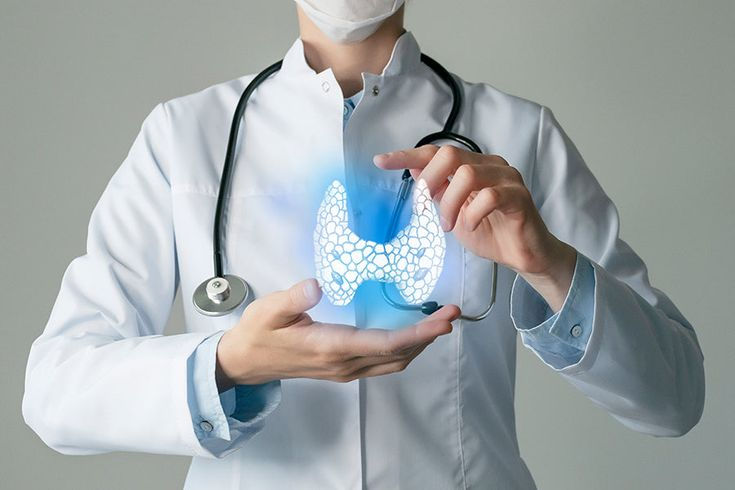
The thyroid is a small, butterfly-shaped gland located at the front of the neck, but it plays an important role in many functions of the body. Thyroid hormones help regulate how the body uses energy and influence several organs, including the heart, brain and muscles.
Thyroid problems are common and can affect people differently. Some people may notice several symptoms, while others may have very few or no noticeable symptoms. This is why thyroid health should be understood through symptoms, medical history and appropriate testing rather than symptoms alone.
What Is the Thyroid Gland?
The thyroid is an endocrine gland situated in the lower front part of the neck.
It produces two main hormones:
Thyroxine (T4)
Triiodothyronine (T3)
These hormones help regulate the body's energy use and metabolism and have effects throughout the body.
The thyroid works as part of a feedback system involving the brain's pituitary gland. The pituitary produces thyroid-stimulating hormone (TSH), which signals the thyroid to produce thyroid hormones.
Because this system is closely regulated, changes in thyroid hormone levels can affect many aspects of health.
What Does the Thyroid Do?
Thyroid hormones are involved in several important body functions, including:
Energy metabolism
Regulation of body temperature
Heart rate
Brain and nervous system function
Muscle function
Digestion and bowel activity
Normal growth and development
This is why thyroid imbalance can sometimes be associated with symptoms affecting different parts of the body.

What Are the Main Types of Thyroid Disorders?
Thyroid disorders are not all the same. Two of the most commonly discussed conditions are hypothyroidism and hyperthyroidism.
1. Hypothyroidism
Hypothyroidism means the thyroid gland does not produce enough thyroid hormone for the body's needs.
Some commonly reported symptoms include:
Tiredness or low energy
Feeling unusually cold
Dry skin
Constipation
Weight gain
Hair becoming dry or thinner
Muscle or joint discomfort
Changes in menstrual periods
Difficulty with concentration or memory
However, these symptoms are not specific to hypothyroidism and can occur with other health conditions as well. A blood test is needed to properly evaluate thyroid function.
Hashimoto's disease, an autoimmune condition, is one of the common causes of hypothyroidism.
2. Hyperthyroidism
Hyperthyroidism occurs when the thyroid produces more thyroid hormone than the body needs.
Possible symptoms may include:
Unintentional weight loss
Fast or irregular heartbeat
Increased sweating
Feeling unusually warm
Nervousness or irritability
Difficulty sleeping
Shaky hands
Muscle weakness
More frequent bowel movements
Graves' disease is a common cause of hyperthyroidism. Other causes can include overactive thyroid nodules, thyroiditis and excessive iodine exposure in some situations.
What Causes Thyroid Problems?
There is no single cause of thyroid disorders.
Depending on the condition, possible causes may include:
Autoimmune thyroid disorders
Thyroiditis
Certain medications
Iodine deficiency or excessive iodine exposure
Thyroid nodules
Previous thyroid surgery or treatment
Certain genetic or medical factors
The underlying cause matters because thyroid management depends on the specific condition and its cause.

How Is Thyroid Function Checked?
Symptoms alone cannot confirm a thyroid disorder.
Healthcare professionals may use blood tests such as:
TSH
TSH is usually one of the first tests used to evaluate thyroid function.
T4
T4 testing helps assess the amount of thyroid hormone available in the blood. Free T4 is commonly considered when interpreting thyroid function.
T3
T3 testing can be particularly useful in certain cases, including when hyperthyroidism is suspected.
Thyroid Antibody Tests
Antibody testing may help identify autoimmune thyroid conditions such as Hashimoto's disease or Graves' disease.
Depending on the situation, a healthcare professional may also recommend imaging such as a thyroid ultrasound, particularly when thyroid nodules need evaluation.
Can Thyroid Symptoms Be the Same in Different Conditions?
Yes.
For example, fatigue, changes in weight, hair changes and menstrual changes can occur for many different reasons. A person should not assume that every such symptom means they have a thyroid disorder.
Similarly, having one thyroid-related symptom does not automatically mean that thyroid hormone levels are abnormal.
Proper evaluation is important before starting any disease-specific treatment or supplement.
Thyroid Health and Lifestyle
Lifestyle does not replace medical evaluation or prescribed treatment when a thyroid disorder has been diagnosed.
However, general healthy habits can contribute to overall wellbeing. These include:
Eating a balanced and varied diet
Maintaining adequate protein and micronutrient intake
Getting regular physical activity according to individual ability
Maintaining a consistent sleep routine
Managing ongoing stress
Avoiding unnecessary use of supplements
Following recommended thyroid testing and medical follow-up
Iodine deserves particular attention. The thyroid needs iodine to make thyroid hormones, but more iodine is not necessarily better. Excessive iodine intake can also affect thyroid function in some people.
Thyroid Health and Ayurveda
Ayurveda approaches health from an individual perspective and traditionally considers factors such as digestion, metabolism, diet, lifestyle, constitution and overall balance.
At Chakrakosh Ayurvedic Clinic & Wellness Centre, Ayurvedic guidance for thyroid wellness can be considered as part of an individualised approach based on the person's symptoms, history, lifestyle and existing medical reports.
Ayurvedic support should not be presented as a replacement for appropriate medical diagnosis, thyroid testing or prescribed treatment.
If you are already taking thyroid medication, do not stop or change your prescribed dose without discussing it with your treating healthcare professional.
When Should You Consult a Healthcare Professional?
Consider getting your thyroid function evaluated if you have persistent or unexplained symptoms such as:
Ongoing fatigue
Significant unexplained weight changes
Persistent sensitivity to cold or heat
Changes in heart rate
Persistent constipation or frequent bowel movements
Unusual hair or skin changes
Menstrual changes
Neck swelling or a noticeable lump
Difficulty with fertility
Some thyroid conditions require regular monitoring even when symptoms are mild.
Frequently Asked Questions
Is thyroid disease curable?
The answer depends on the specific thyroid condition and its cause. Some thyroid disorders are temporary, while others require long-term management and monitoring.
Can symptoms alone diagnose thyroid problems?
No. Symptoms can provide a reason to investigate thyroid function, but they are not enough to confirm a diagnosis. Blood tests and, when appropriate, other investigations are used for evaluation.
Is hypothyroidism the same as hyperthyroidism?
No. Hypothyroidism involves insufficient thyroid hormone production, whereas hyperthyroidism involves excessive thyroid hormone production.
Is thyroid medicine always required?
Treatment depends on the type and cause of the thyroid disorder. Some people require thyroid hormone replacement or other medical treatment, while management differs for other thyroid conditions.
Can Ayurveda support thyroid wellness?
Ayurvedic care may be used as a complementary, individualised wellness approach. However, it should not be presented as a guaranteed cure or as a reason to discontinue prescribed thyroid treatment.
Final Takeaway
Thyroid health is more complex than a list of symptoms.
Understanding the difference between hypothyroidism and hyperthyroidism, recognising possible symptoms, getting appropriate thyroid testing and following individualised medical guidance are important parts of thyroid care.
Alongside appropriate medical care, healthy nutrition, physical activity, sleep, stress management and an individualised wellness approach may support overall health.
For personalised Ayurvedic guidance, consult a qualified Ayurvedic practitioner who can review your symptoms, medical history and relevant reports before suggesting an approach.
Explore Ayurvedic Thyroid Wellness Support at Chakrakosh
If you are looking for an Ayurvedic formulation as part of your personalised thyroid wellness approach, you can learn more about Thyro Zen, including its ingredients, usage, precautions and product details.
[View Thyro Zen] →https://www.chakrakosh.com/product-page/thyro-zen
Medical Disclaimer:
This article is intended for general educational purposes and should not be considered a substitute for diagnosis, treatment or medical advice from a qualified healthcare professional. Individual results and requirements may vary. Do not stop, change or replace prescribed medication without consulting your treating healthcare professional.
Reviewed by:
Dr Zeba Naaz, BAMS, B.Sc, Panchkarma
Hormonal & Metabolic Health Expert
Chakrakosh Ayurvedic Clinic & Wellness Centre


Comments